book review · Discipline and Punish
Discipline and Punish
2026-07-15 · 3 min read
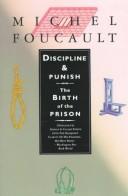
I picked this up because a coworker kept quoting the panopticon at me every time we complained about the office’s open floor plan, and I finally decided to see what she was actually talking about. It opens brutal, an execution described in enough procedural detail that I had to put the book down twice in the first thirty pages, and then it spends the rest of its length explaining how punishment quietly moved from spectacle on the body to constant, invisible supervision of everyone all the time.
The panopticon chapter is the part everybody remembers and it deserves the reputation, the idea that a structure of possible observation disciplines people more efficiently than an actual guard ever could, because you police yourself the moment you can’t be sure whether you’re being watched. Once you’ve read it you start seeing that shape everywhere, schools, hospitals, open-plan offices, and that’s not me being cute, it’s genuinely the effect this book has, it’s permanently rearranged how I read the buildings I walk into. I’m less sold on the historical argument underneath, that the shift from torture to rehabilitation runs in one clean line, because the same country that produced this book still runs mandatory minimums and death rows that look a lot like the spectacle Foucault says we moved past.
The prose is dense in a way that fought me for the first hundred pages, long sentences, a vocabulary that sent me to a dictionary more than once, and I understand completely why some readers give up on it before the payoff arrives. Stick with it. There’s a real argument buried in the density, that knowledge and power aren’t separate things pulling against each other but constitute each other, and once that clicks the rest of the book moves faster than the opening chapters suggested it would. I wouldn’t call this a fun read. I’d call it one of the few books that actually changed how I see something I look at every day, which is a much rarer thing for a four-hundred-page academic text to pull off than most of them manage.